What to Expect When You’re Expecting
For anyone thinking about ordering a new boat: what the process really looks like.

Kelly and I had spent years planning for the day we would buy a catamaran and set off cruising. At the 2024 Annapolis Boat Show, we excitedly told Tommy and Amy of Sail Away, Vision’s US dealer, that we wanted hull number one of the Vision 484.
We sat down with Amy around the saloon table, talked through the outline of a plan, and signed an agreement. That, and a healthy deposit check to secure our build slot, was the official start of our journey to Neverland.
And then it was time to wait.
We knew buying a new boat meant we wouldn’t be sailing her away anytime soon. There would be time before construction began, followed by months of building, decisions, visits, and commissioning. We had a rough idea of what we were getting into, with a little extra uncertainty because we had chosen hull number one of a new model.
Along the way, we’ve learned a lot about what happens between signing for a boat and getting her ready to sail. We put this post together as the kind of road map we would have loved to have at the start.
A production boat, made for us
Vision builds production boats, but it’s a relatively small operation, producing about 11 boats a year. That gives the team the opportunity to work with owners on how they intend to use their boats and what they need aboard.
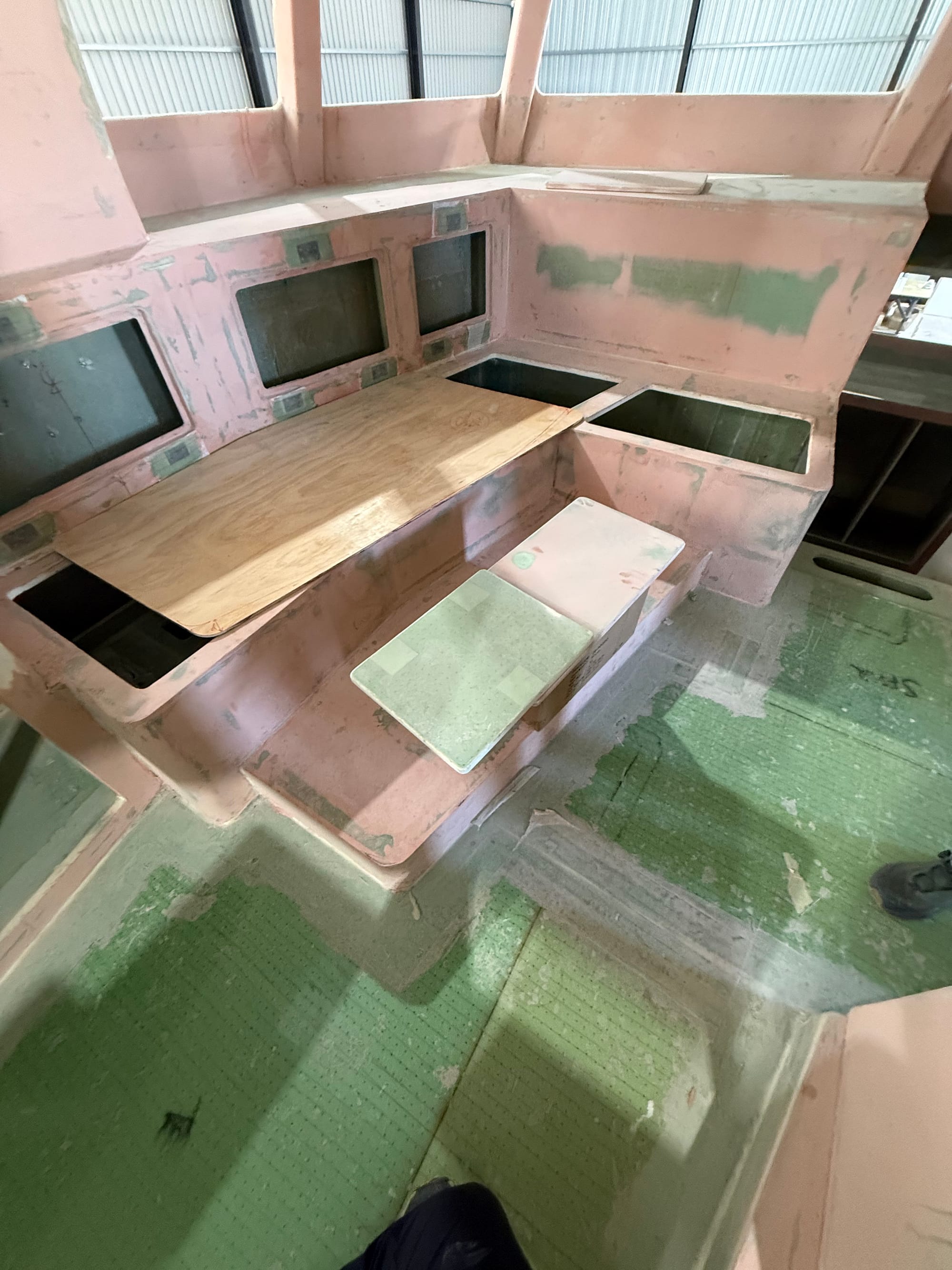
For us, that has meant thinking about everything from the big systems to where a handrail or an extra drawer would be most useful. We plan to live aboard and cross oceans, so we’ve spent a lot of time considering storage, maintenance, power, navigation, and the equipment we want to carry. Fortunately, James Turner, Vision’s president, and the rest of the team have put plenty of thought into those things, too.
Our initial wish list of design changes had five items: a cockpit drinks fridge, barstools at the galley, a drawer under the saloon table base, a coffee table in the saloon, and a convertible cockpit table. Four made it into the final design; the drawer under the saloon table base was the one that didn’t. James and his team of genius fabricators took our requests seriously and found ways to incorporate them without losing what makes a Vision a Vision.
A request still has to fit the space and work with the rest of the boat. Some ideas have been adjusted along the way, and some haven’t made the cut. But we’ve appreciated being able to have those conversations with the people building our dream.
Putting together our build list
Thankfully, we didn’t have to make every decision at the boat show. Kelly and I had time to work through the equipment and features we wanted aboard. Many of our choices were already on Vision’s options list. Others were ideas we brought to the team to see what might be possible.
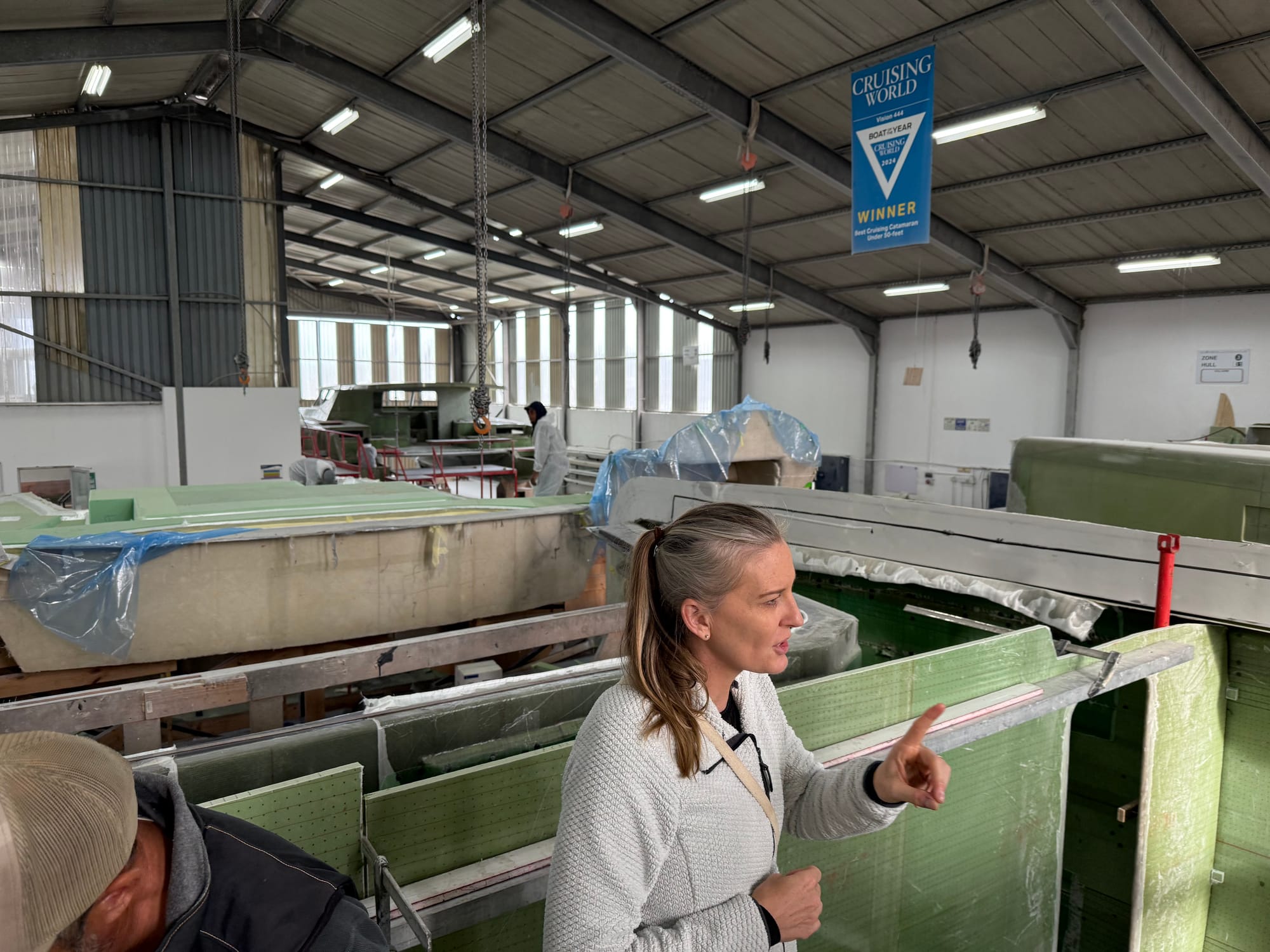
We visited the factory together in June 2025. Being there gave us a chance to see the operation, spend time on other boats, and talk through our plans with the team. I was back that November (2025) to help deliver Unlimited across the Atlantic. By a lucky coincidence, I was there on November 6, the day construction on Neverland began.
During that visit, we shared our first detailed build notes and requests with the factory. The list continued to evolve as we sailed other Visions, talked with their owners, and searched online for equipment, finishes, and ideas.
The more we saw, the better we understood what we liked and how we wanted Neverland to work for us. Our style took shape along the way, from the big equipment decisions down to the colors and finishes.
The list is going to change
Our build list was never a one-and-done document. It changed as we learned more about the boat and the way we wanted to use her.
The oven moved off propane and onto the countertop. Our sail inventory started big, got smaller, and then grew again. We came up with what we thought were great ideas, only for James to take a few of them right back off the list with a healthy dose of reality.
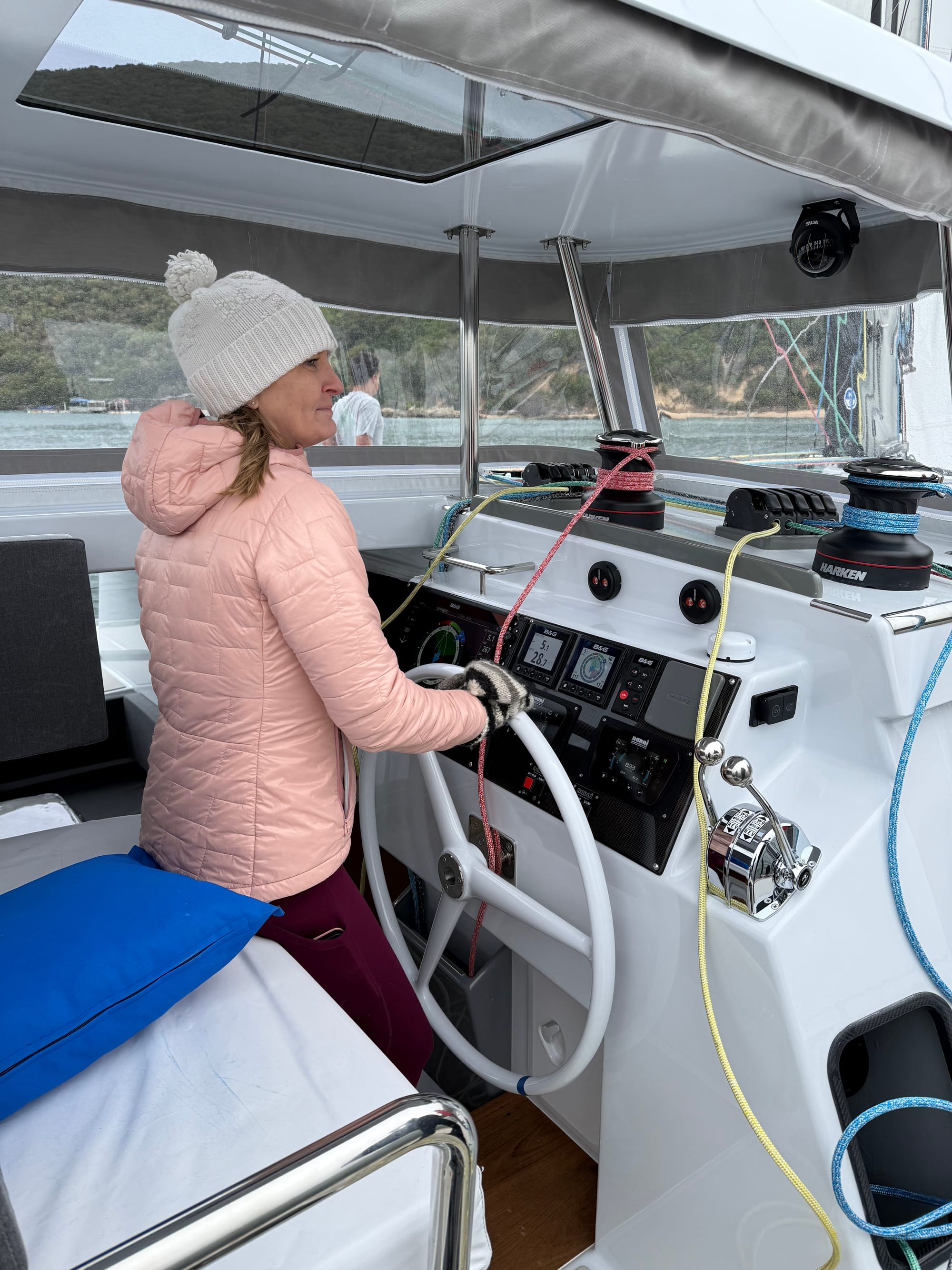
Time aboard other Visions helped us think through things we might never have considered while sitting at home with a set of plans. Passages on those boats gave us a better sense of where we’d want electrical outlets, and where a brace in the forward head would help on our wider hulls in a seaway.
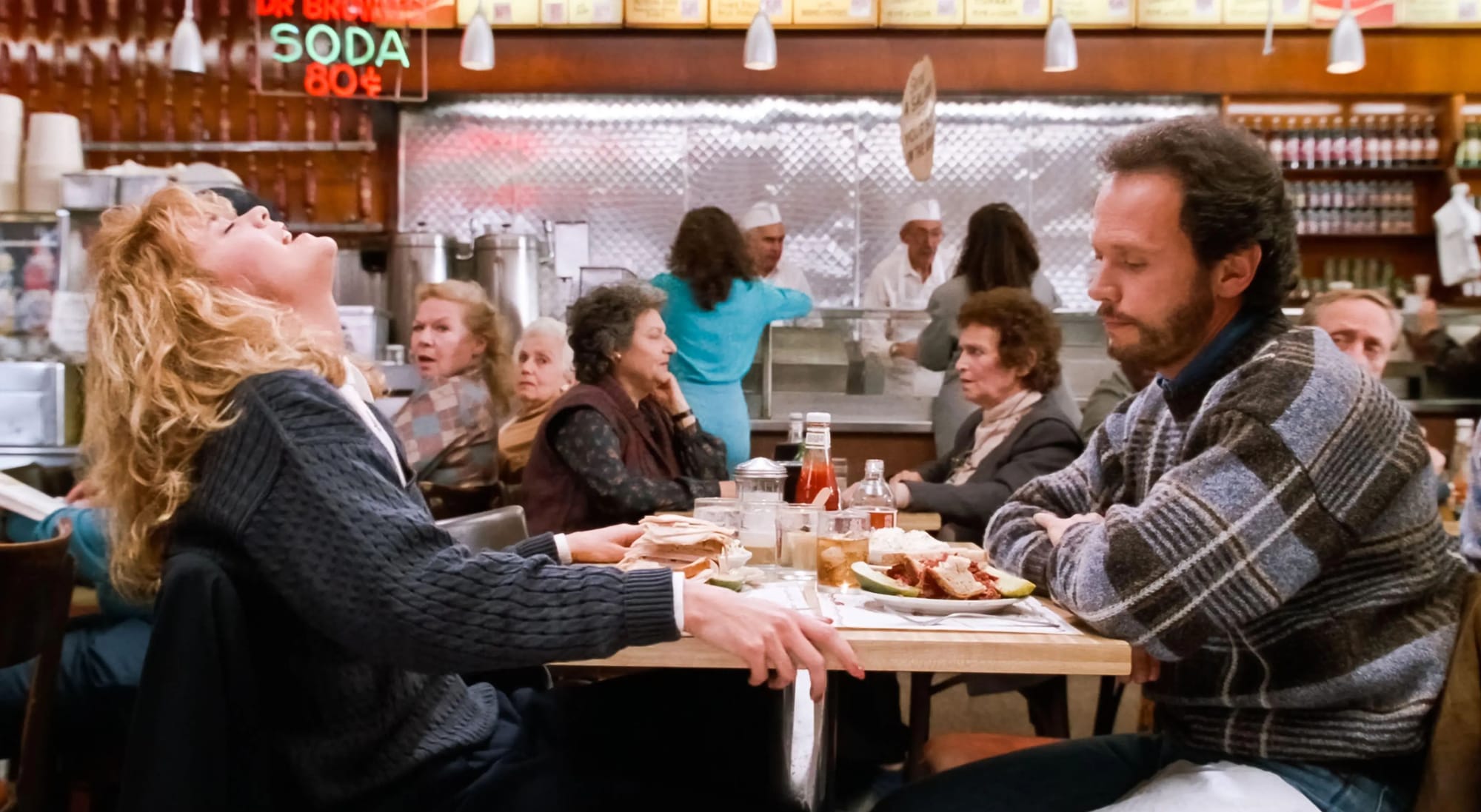
There was also a little bit of When Harry Met Sally in the process. We’d see something another owner had done, ask a few questions, and decide, “I’ll have what she’s having.”
That’s one of the best pieces of advice I can offer: talk to other owners and look closely at what they’ve done. Ask what works and what they would change. Steal the good ideas, then talk them through with the factory to see how they might work on your boat. Owners all learn from the boats that came before, and every boat that rolls off the line is a little better than the last.
Through all the changes, questions, and new ideas, James and Thomas Holmes, Vision’s factory manager, have been gracious and patient. They’ve helped us work through what’s possible and what makes sense, while giving us the space to figure out what we want Neverland to be.
Making her look like ours
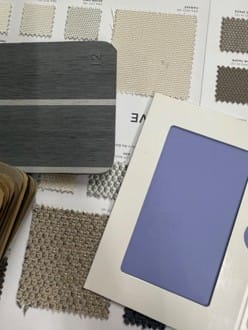
There are a lot of colors and finishes to choose when you’re building a boat. Hull color, sails, exterior canvas, flooring, countertops, upholstery, and all the little details in between. We didn’t settle on everything in one sitting.
Kelly picked out some colors at the factory and, in July 2026, went up to Sail Away’s office in Maryland to look at more options. When I went back to Knysna in September, I carried a stack of countertop color cards in my luggage so we could make sure we got those choices right, too.
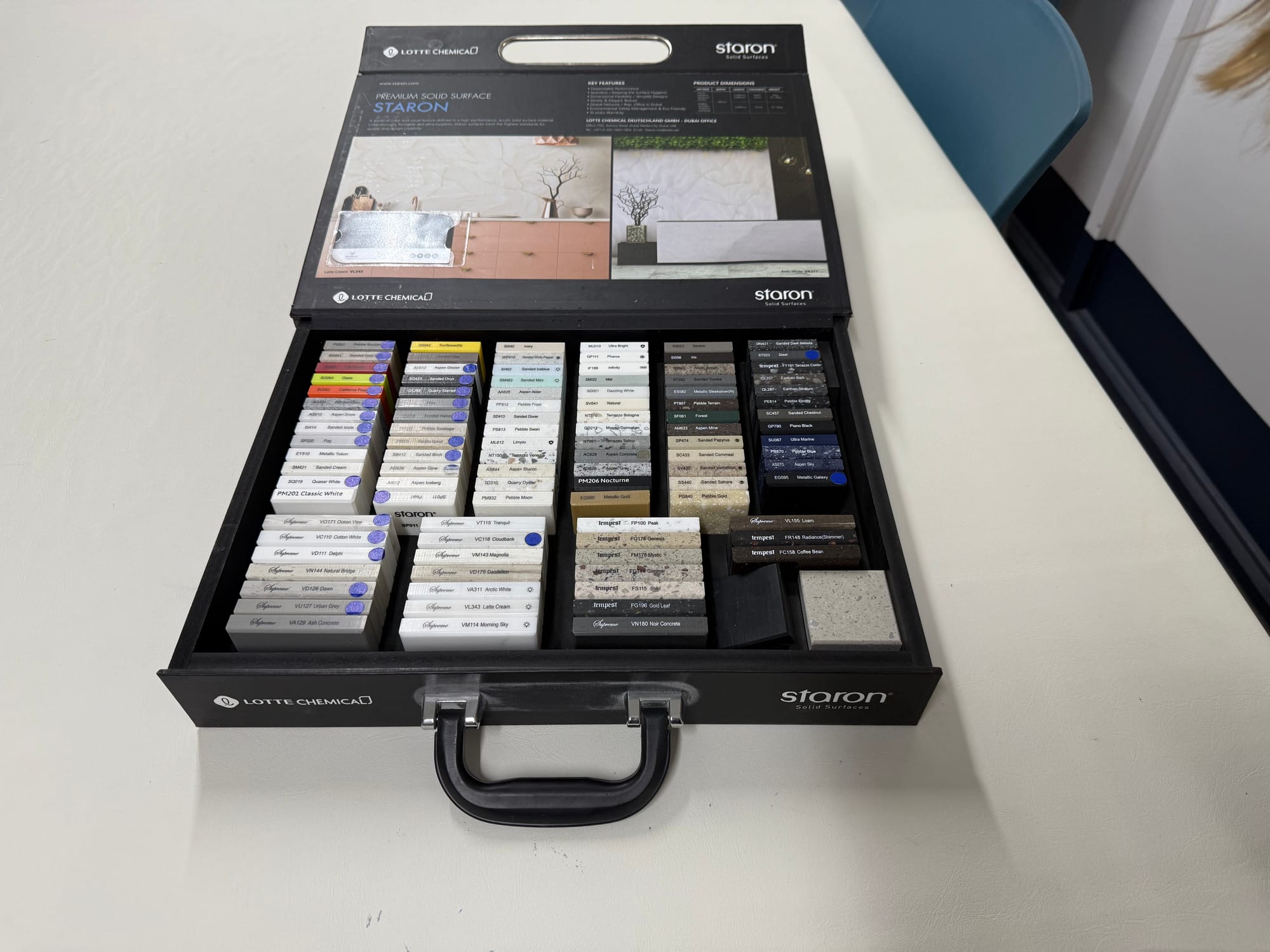
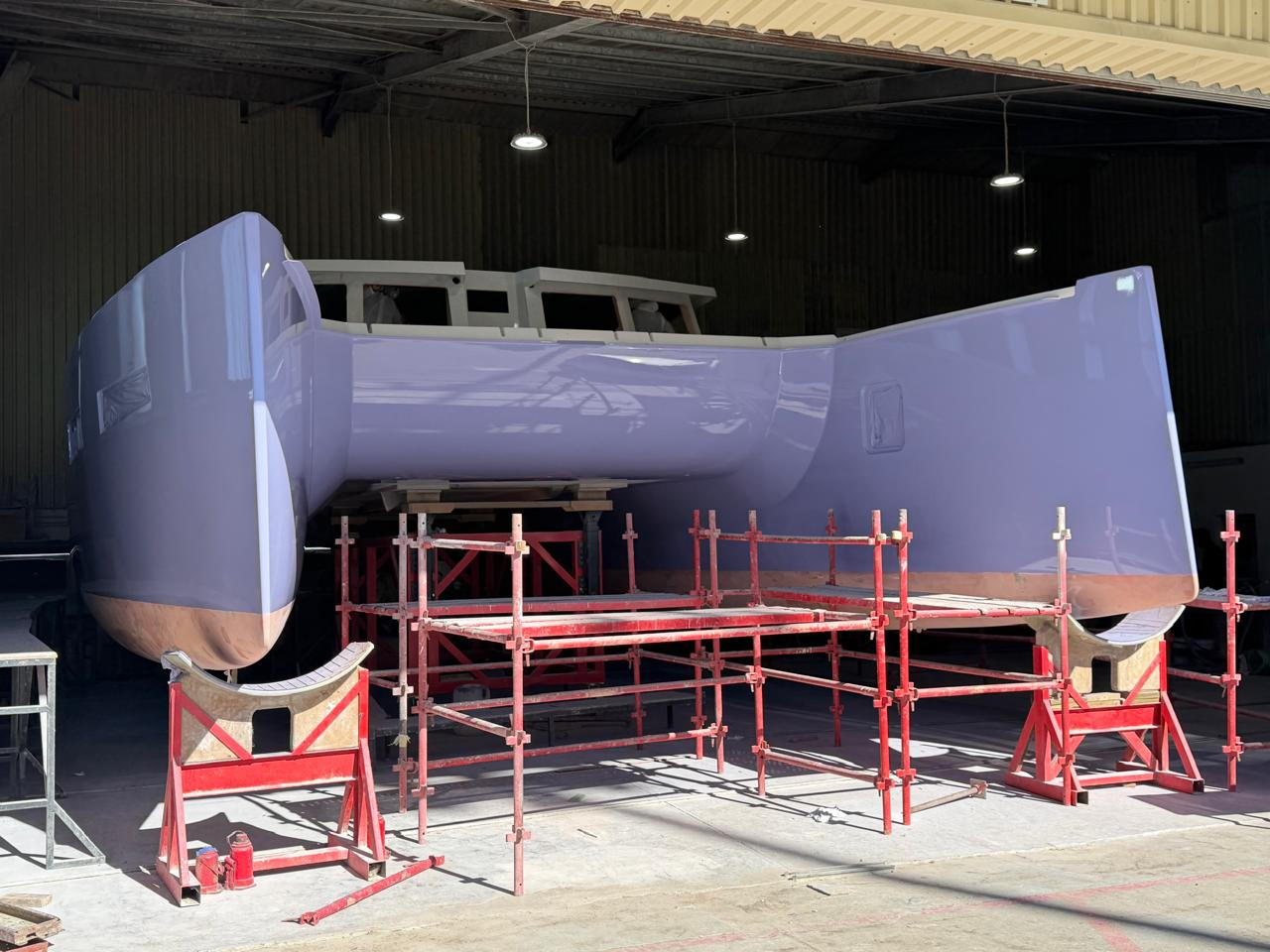
Neverland’s hull will be Persian Violet. We’ve chosen black sails and exterior details, weathered-look cockpit decking, whitewashed cabinetry, and interior finishes that make the boat feel like ours. There are different fabrics for the cabins, choices for the countertops and seating, and what sometimes feels like an endless number of smaller decisions.
Vision also connected us with North Sails to fine-tune our canvas order, including the cockpit enclosure and shades. Those conversations helped us think through how everything would look and how we wanted to use it.
It took time, but we gradually developed a clearer picture of what we wanted Neverland to look like.
How the payments worked
One practical question when ordering a boat is how the payments are spread out. Ours were tied to construction milestones rather than paid all at once. As a rough guide, the schedule for the base boat was:
- 10% as a deposit to secure our build slot
- 20% when construction began
- 30% when the hulls were joined
- 15% when the deck was fitted
- 15% with completion of the interior furniture and exterior painting
- The final 10% at completion
Options and later additions were handled separately, so those percentages apply to the base boat rather than the full cost of the finished boat. Another builder’s schedule may be different. It’s worth understanding what triggers each payment and keeping track of your options as the list evolves.
Watching her come together
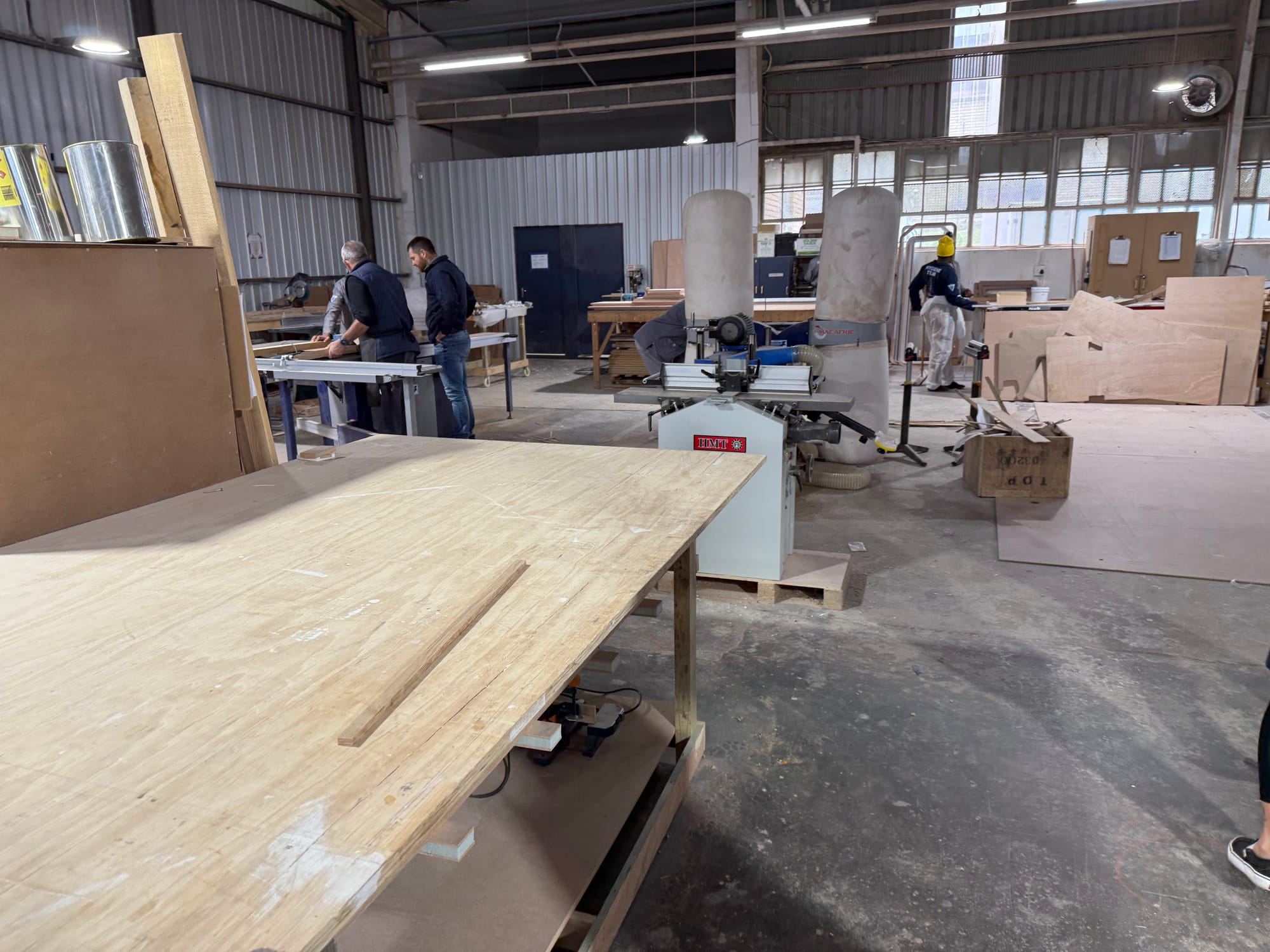
One of the exciting parts of a catamaran build is watching separate pieces become recognizable as a boat. In February 2026, we got the news that Neverland’s hulls were being joined. The deck followed, and over the course of the year the interior, systems, and exterior continued to take shape.
By my September visit, there was a lot more boat to see. Being there made it easier to work through details in person. Some things are much easier to understand when you can stand in the space, look at the plans together, and talk about how you’ll actually use it.
Photos don’t do justice to everything that happens before the finishing work even starts. Behind every panel are wires, hoses, backing plates and fittings that all have to go in first, and once she’s done you’ll never see most of them.
Plans change, and that’s okay
Our expected launch date has changed a couple of times during the build. That’s no small thing when flights, shipping, crew and everything that comes after have to line up behind it.
It’s also part of being hull number one. Neverland is the first 484, and the first of any new model brings things the team is working out for the very first time. One of them: she didn’t fit into the paint shop, so Vision modified the factory walls to make room for her.
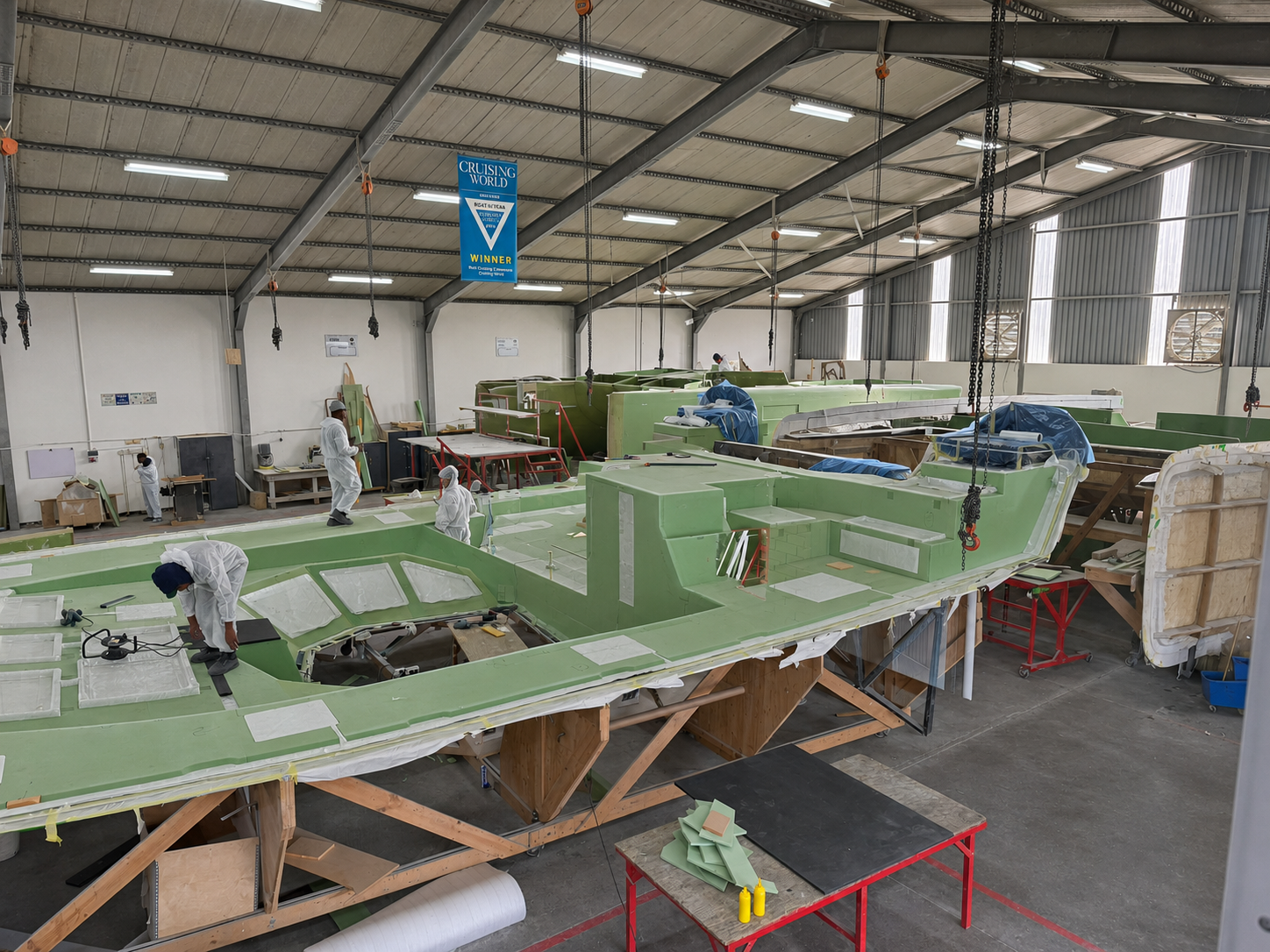
It isn’t what we’ve seen elsewhere on the factory floor. The 444s are marching along on schedule, and the 484s coming behind us look to be on plan, too.
What has made the changes easy to live with is communication. The Vision team has kept us in the loop each time a date moved, so we’ve always understood the plan. That has made it easy to stay flexible.
What comes next
Are we done making changes? No. Only this week, I sent a note asking for a cable to be run to the saloon for a Wi-Fi access point. We’ll probably keep finding little things to adjust right up until I fly to Knysna at the end of February. And once I’m back at the factory and we’re working through commissioning, I’m sure there will be more.
The process isn’t complete, but it’s close. After years of planning and watching Neverland take shape, we’re getting ready for the part we’ve been looking forward to all along: getting aboard and sailing her away.