Using My Army Retirement Move to Ship Our Boat Gear
How my Army retirement household-goods shipment got Neverland’s gear from North Carolina to Knysna for R580 in customs duty.

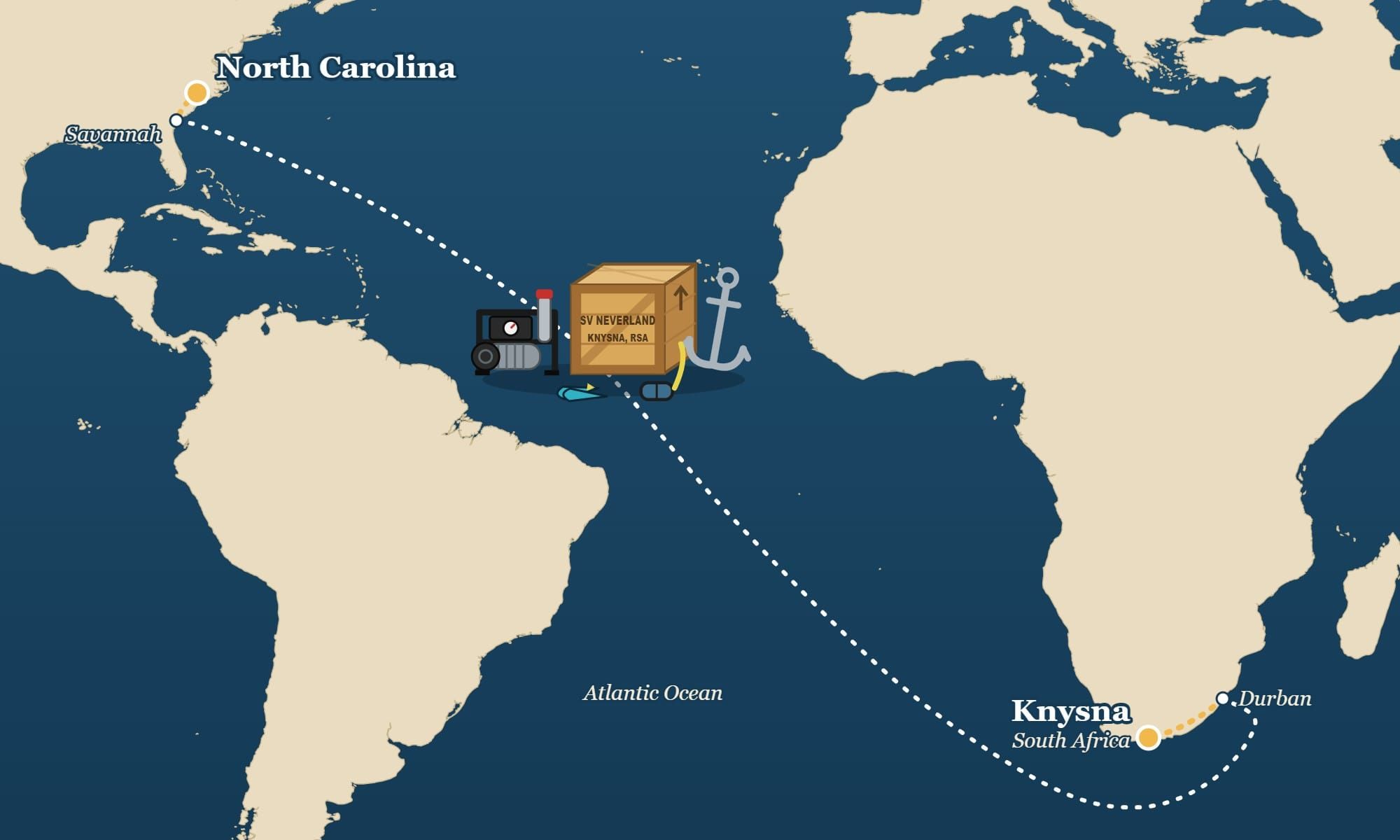
After three and a half months in transit, our shipment from North Carolina arrived at Vision Yachts in Knysna on November 11. Sending it ahead let us buy the equipment and supplies we wanted in the United States instead of spending our time in South Africa searching for everything we’d need to get Neverland ready to cross the Atlantic. It also got a few things to the factory in time for installation, including our dive compressor and some electronics.
The best part? We used my military retirement move to get it there.
When you retire from the military, the government provides a final move from your last duty station to the place you intend to start your civilian life. Most people move from a house near a base into another house in a new city. We don’t have a new house. We have a boat. Since both Kelly and I will have a retirement move available, we decided to use mine to send this shipment to South Africa.
Packing, shipping, and delivery were covered. Our only cost was R580 (about US$35) in customs duty.
If you’re retiring from the military and considering a move overseas, our experience might give you a place to start. And even if you’d have to pay for a shipment yourself, it may be worth exploring as an alternative to dragging a mountain of bags through the airport. Here’s how it worked for us.
How the Army worked out the budget
My rank gave me a certain household-goods weight allowance. The Army calculated what it would cost to ship that allowance from our location to the farthest point in the United States. That dollar amount became the budget for our move.
Then, using the cost of shipping to South Africa, we worked out how much weight we could send there within that budget.
In the end, we didn’t come close to using it all. We only wanted to send one crate of gear for Neverland, rather than an entire household.
That’s the calculation I’d ask the transportation office to walk through if you’re considering something similar. Tell them where you actually want your belongings to go and have them run the numbers. Ask about your deadline and what entitlement you have left, too. This is how our shipment was approved, so get yours worked out with your own counselor.
Getting it moving
I started the application in the Defense Personal Property System, or DPS, in March. I uploaded my orders and submitted the signed DD Form 1299. The Fort Bragg transportation office reviewed it, went over the South Africa-specific requirements with me, and approved the shipment in April.
Nedrac was assigned as our shipping company, with Coleman American doing the packing and pickup.
One thing we learned along the way: for our move, we had to use the military-assigned shipper. We had initially talked with the factory about shipping options, but that wasn’t the route we ended up using. I’d sort that out before spending much time getting private freight quotes.
Kelly did the entire inventory spreadsheet. It covered 134 lines of equipment and personal belongings, with descriptions, values, and customs codes. She’s amazing at planning and organizing. I really won the lottery marrying a woman with those skills!
The actual shipment was 17 pieces packed into one wooden crate. It included a dive compressor, spare anchor, grill, tools, bedding, galley supplies, snorkeling gear, and the usual collection of things that somehow all seem necessary for a boat. Including a fruit hammock and marine toilet paper.
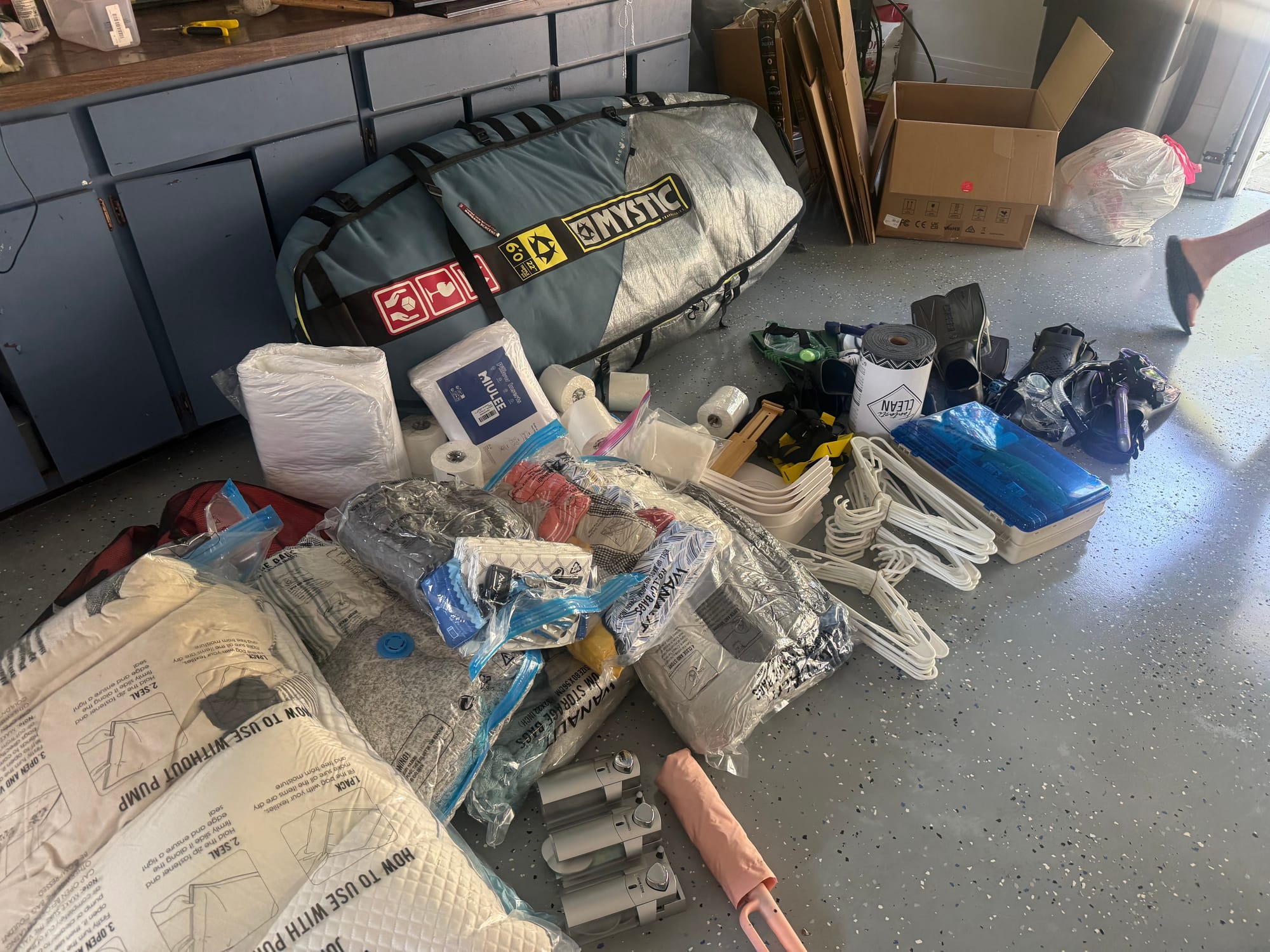
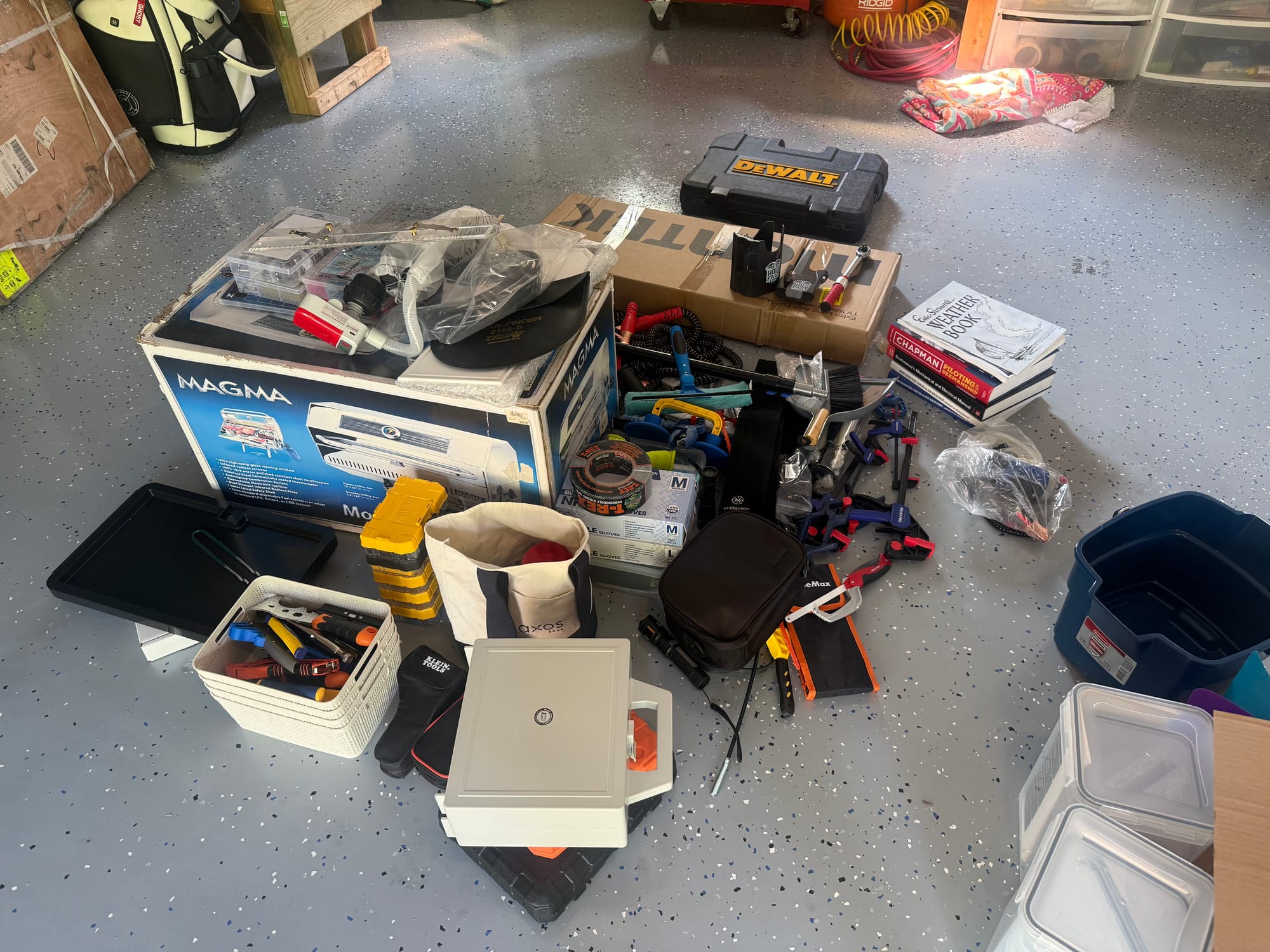
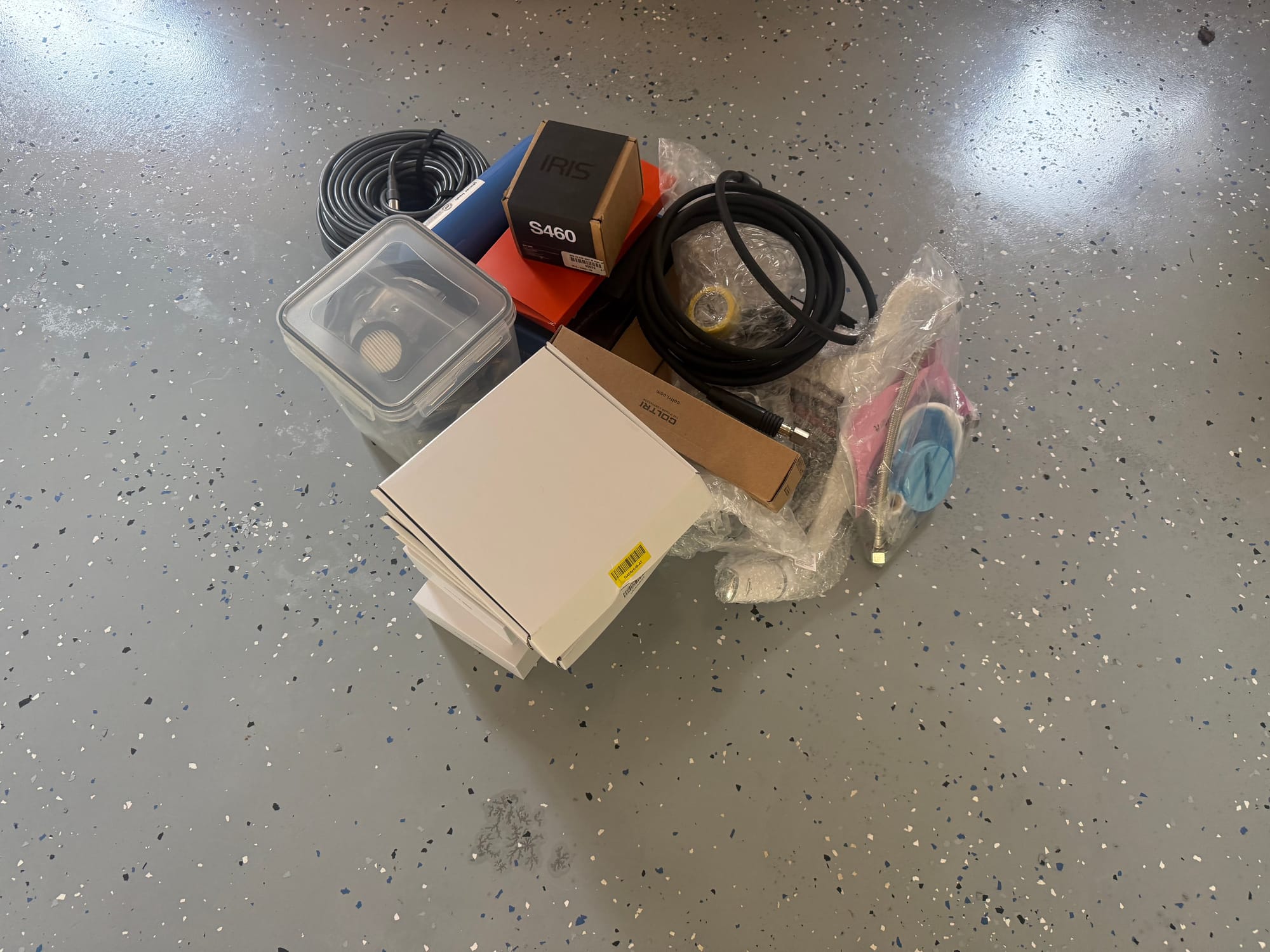
A detailed inventory helped us explain what we were shipping to everyone involved. Keep the mover’s packing list too, since that’s what someone at the other end will use to check what arrived.
Sorting out customs
This was the less straightforward part.
The Army told us that handling the import into South Africa was our responsibility, so we arranged our own customs broker, Afrishore. There was then some back-and-forth over who would actually handle the clearance. In the end, the military shipper’s destination agent, Britannia, handled the import, and our broker stood down.
We were still responsible for the customs bill. But who was doing the paperwork wasn’t as clear as it could have been.
We also worked through a few possible ways to bring the gear in. The yacht-in-transit approach didn’t fit because Neverland wasn’t in the water yet. Another plan involved about R7,400 (US$447) in VAT that we would then try to reclaim, along with different treatment for personal effects and consumables.
Eventually, Britannia offered a straightforward duty-paid entry for R580 (US$35). We accepted, and I paid it on October 23.
My advice here is to ask the assigned shipper early: who is actually handling the import, what do they need from you, and which charges will you have to pay? Get a name and make sure everyone agrees on who is doing what. Our small customs bill was a good outcome, but I wouldn’t assume the same amount for another shipment.
Give it time, and have someone ready to receive it
Coleman packed and collected everything on July 29. After three sailing delays, the shipment finally left Savannah around September 25. The ship arrived in Durban on October 30, and the crate reached Vision in Knysna on November 11.
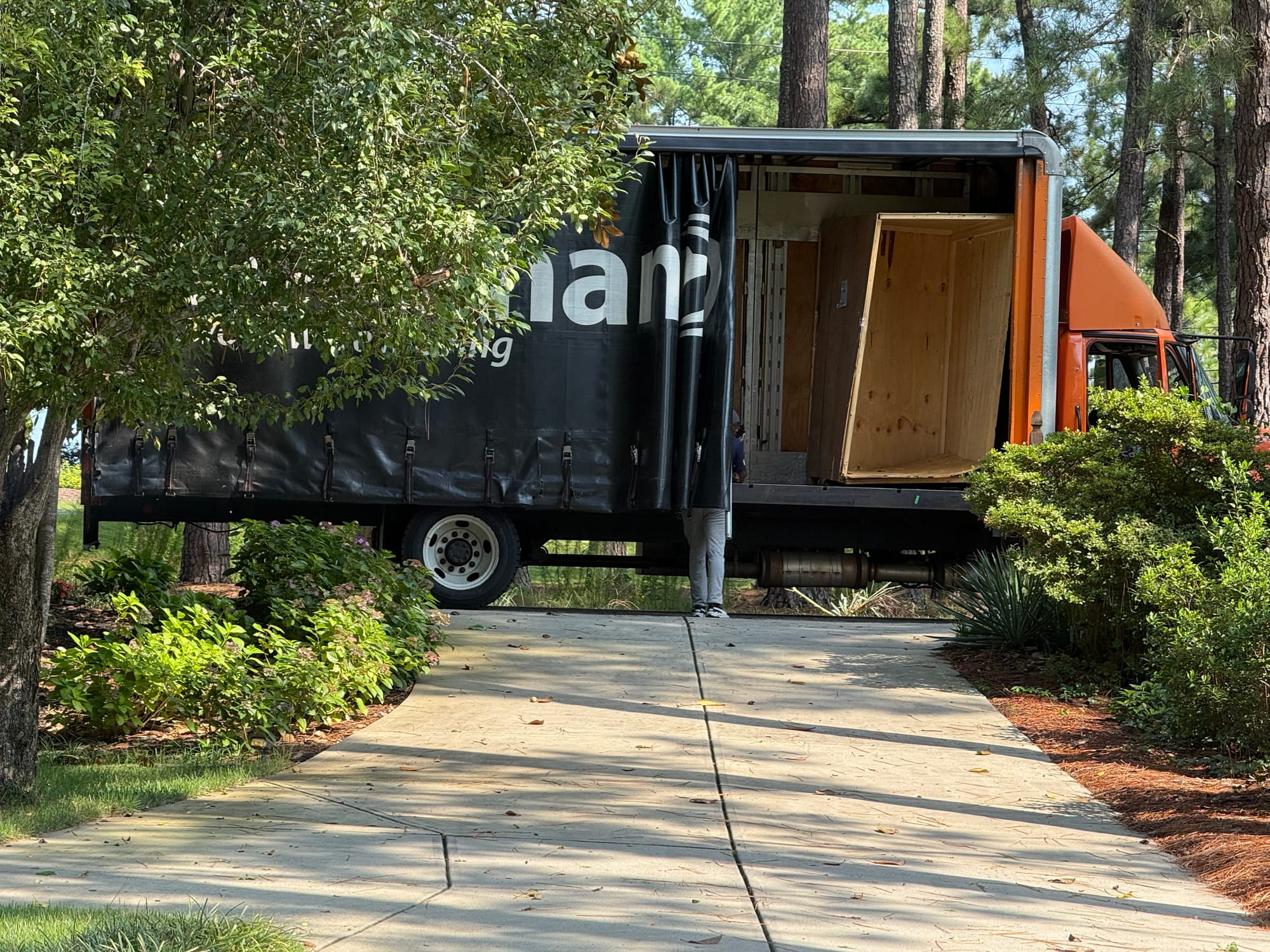
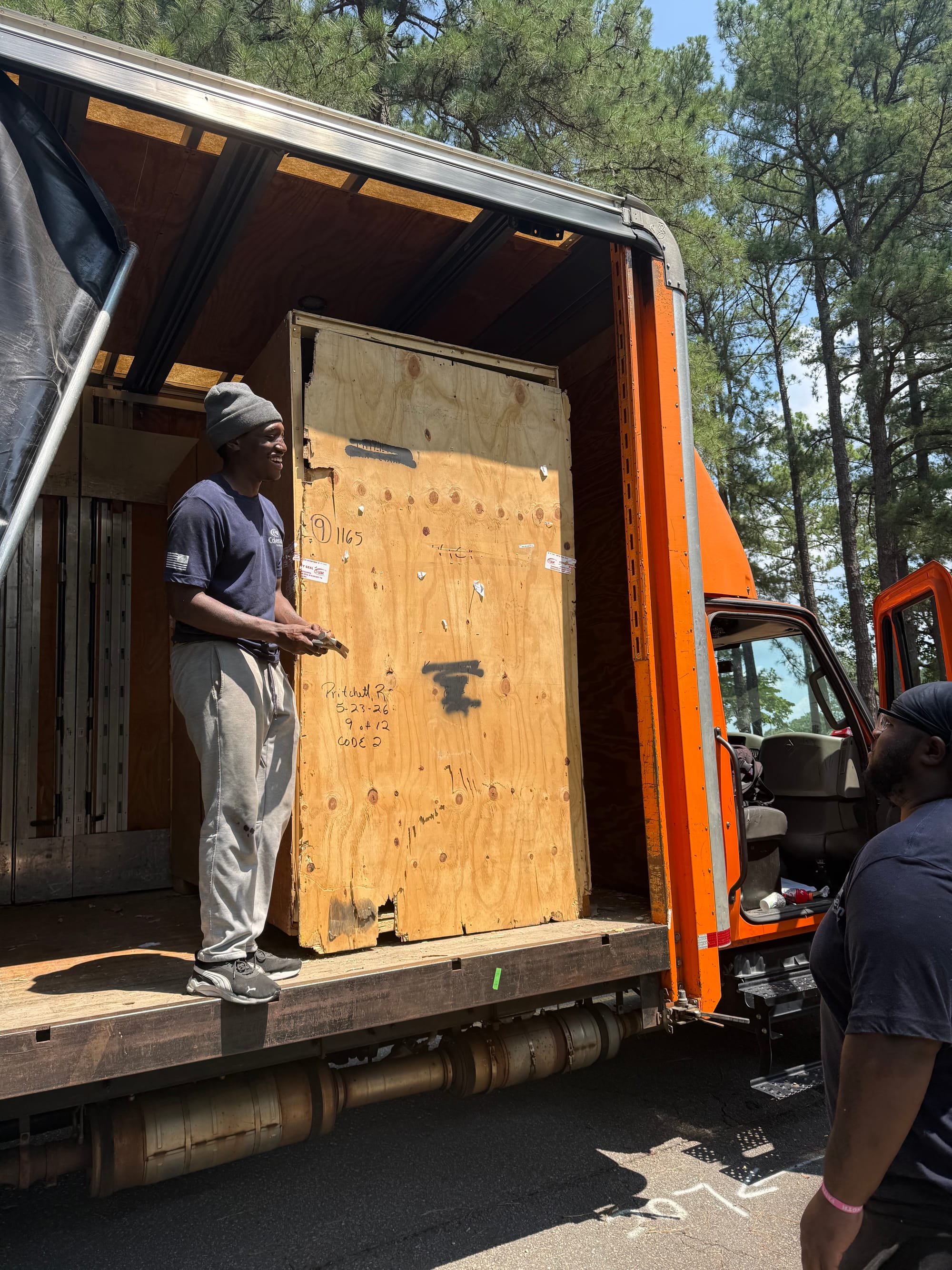
Our October 19 delivery date had come and gone by then. I’d leave plenty of room in the schedule, especially if you need the contents for a launch or departure.
Lara at Vision agreed to receive the shipment, and I authorized her to sign for it. If you won’t be there yourself, arrange that ahead of time and make sure your receiving person has the packing list and knows what to check. Photos and a count of the pieces are useful even when everything looks fine.
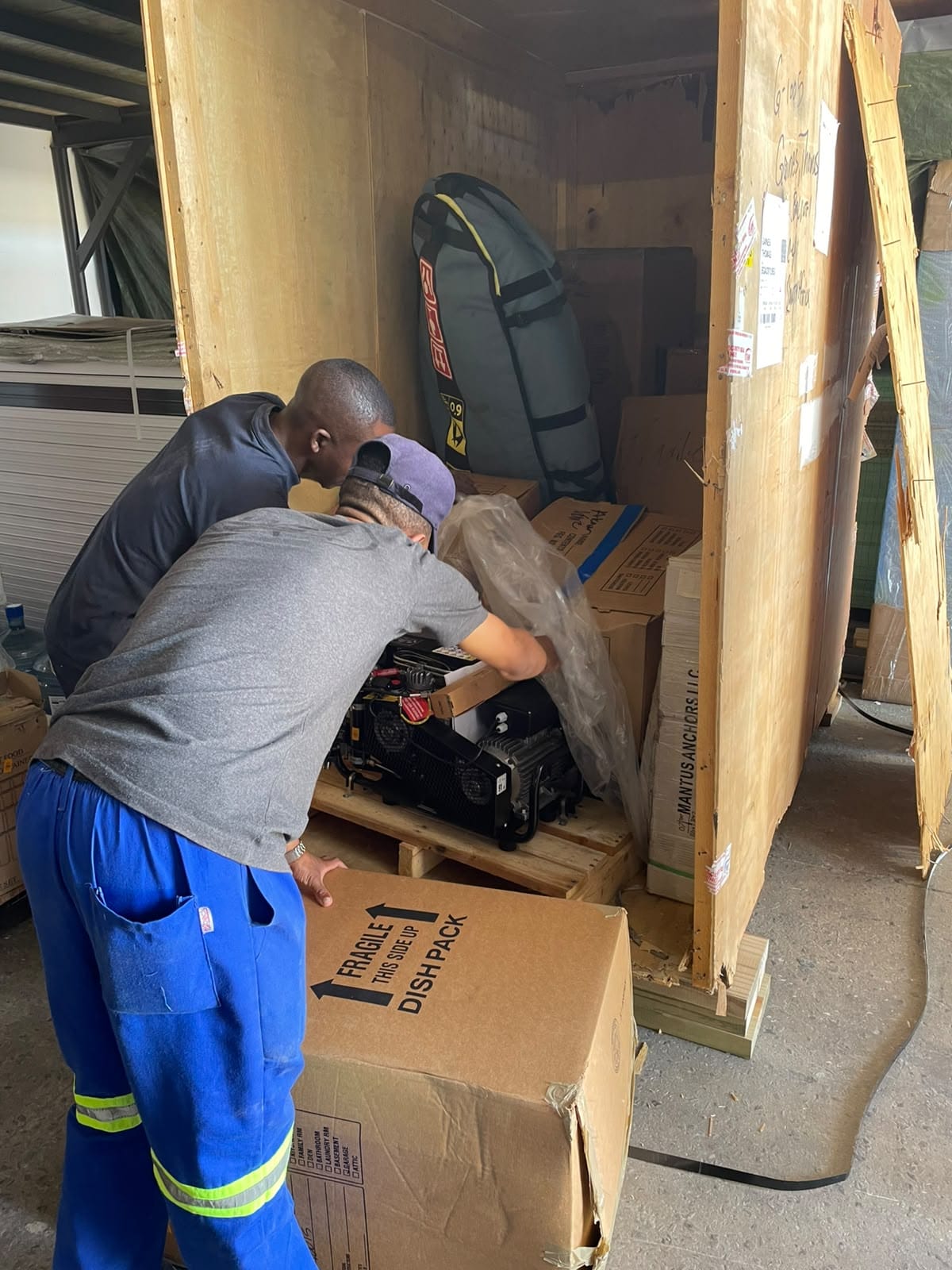
It’s a relief to have our gear there. Kelly did a lot of work getting it organized and keeping the correspondence moving, and we’re grateful to Lara, Britannia, and everyone else who helped get it across.
For us, the retirement shipment got our boat gear from North Carolina to the factory in South Africa for R580 (about US$35). Before paying to move your own gear overseas, I’d have that conversation with the transportation office.