From Kilimanjaro to the Caribbean: Mountains, an Ocean, and 6,000 Miles
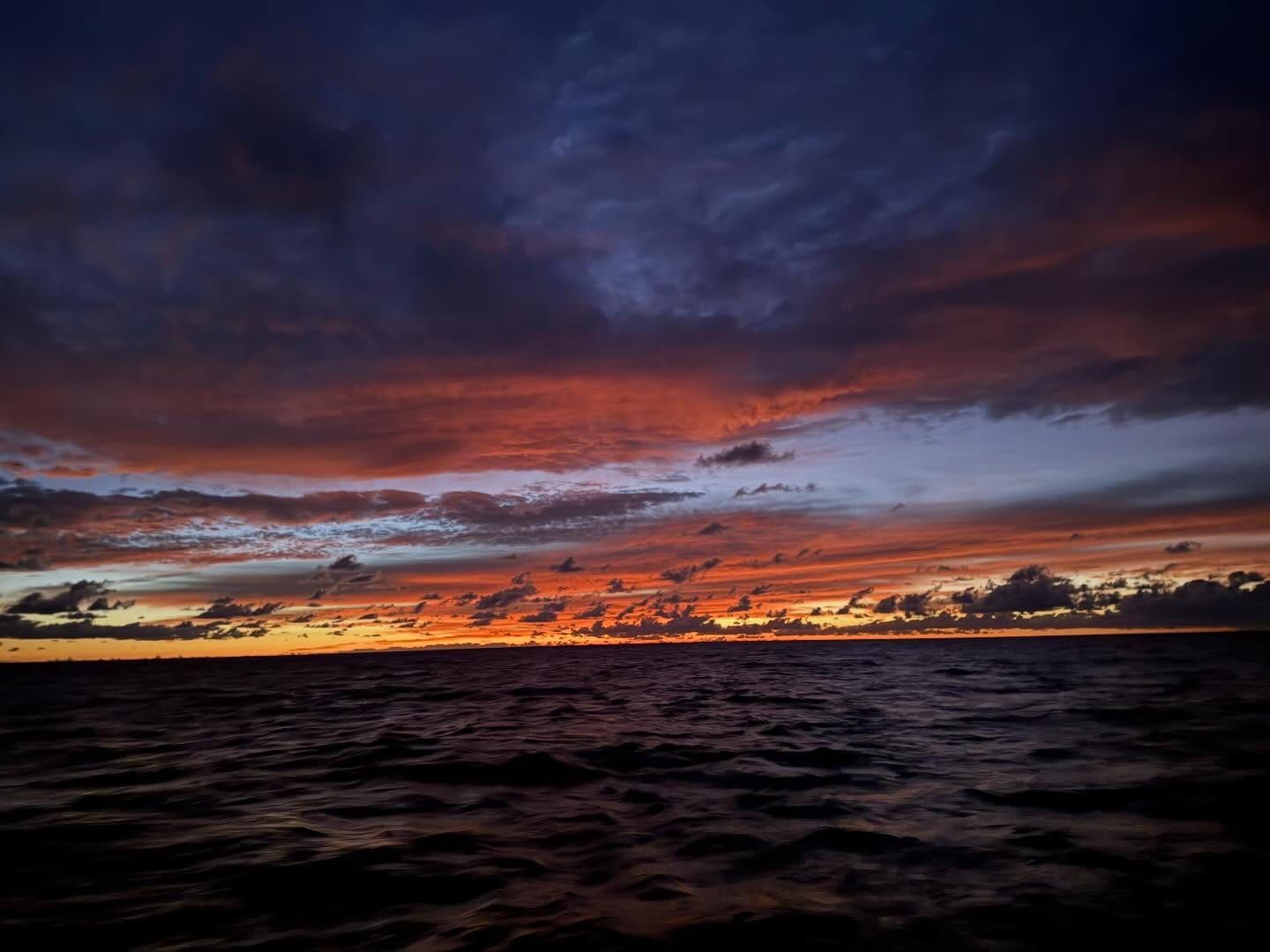
On the first morning of 2026, I sat at the helm watching the sky wake up over the ocean. St Thomas was the end of the trip. After 35 days and roughly 6,000 miles from Cape Town, I should have been ready to get off the boat.
I wasn’t.
Two months earlier I had been climbing through a snowstorm on Kilimanjaro. Since then there had been South African mountain trails, sailing outside the Knysna Heads, a frustrating stop at St Helena, a midnight scramble on deck, and a few very welcome days ashore in Brazil. Now it was time to go home to Kelly, Lemon, and Olive. Somehow, an ocean still hadn’t been enough.
A mountain before the ocean
The journey began in Tanzania. Before heading south to meet up with the crew, I climbed Mount Kilimanjaro. Reaching the top of Africa would have been a good moment for a sweeping view. Instead, a snowstorm gave us about ten feet of visibility. We stayed at the summit just long enough for a few photos before starting down.
Coming off the mountain brought a different kind of uncertainty. Unrest following the elections had disrupted travel, and the internet was shut down. My Garmin inReach let me keep texting Kelly while she checked flight information from home. Eventually I made it out on Ethiopian Airlines, luggage included, and headed to Johannesburg.
That was enough adventure for the travel portion. There was still a boat to get ready.
South Africa, on foot and under sail
In Knysna, I joined the preparations for the crossing aboard Unlimited, a Vision 444 catamaran. On November 5 we were putting her through her paces outside the Knysna Heads, flying along with the main and Code 55 up. There were still a few things to finalize before heading to Cape Town.
While in South Africa, I also made time to get into the mountains. The Tsitsikamma Trail runs roughly 40 miles through the Eastern Cape mountains. It is normally a six-day trek, with rustic huts along the way. I covered it in two. Tough, but manageable, with streams and swimming holes in the valleys and baboons ready to treat an unattended backpack as a buffet.
Later came Craddock Peak, just north of George: about 5,000 feet of elevation gain, followed by a brief opening in the clouds at the summit. Definitely an outing that justified a nap.
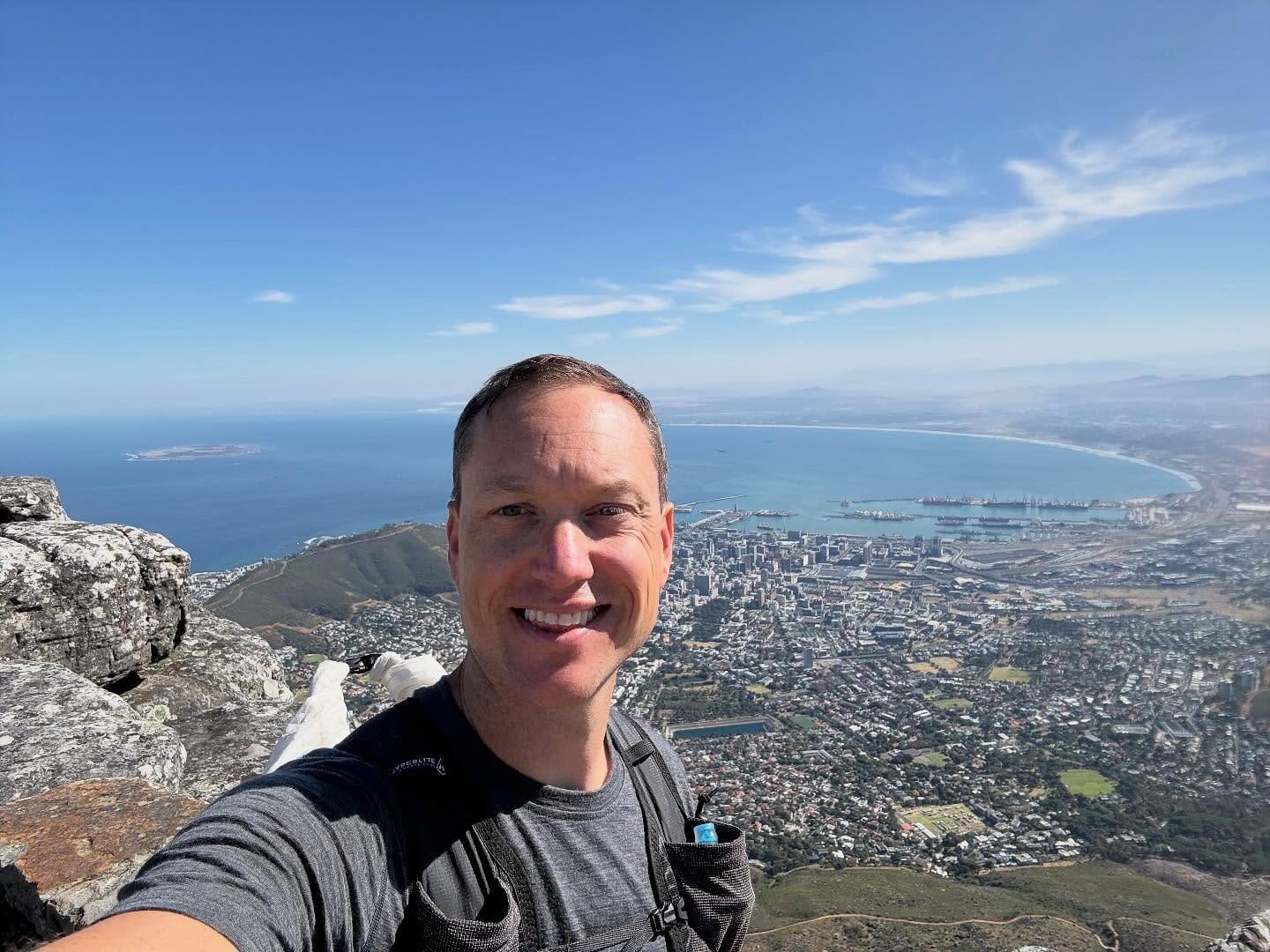
My last hike was Table Mountain. We had been staring at it since arriving in Cape Town, so it was good to finally stand on top. Getting there felt like climbing a stone staircase straight up for a mile and a half. Once on the plateau, the walking flattened out on the way across to Maclear’s Beacon.
Leaving Cape Town behind
On November 25, Cape Town faded into the distance. A month after flying into Tanzania, I was leaving the continent under sail.
Our first destination was St Helena, about 1,700 nautical miles away. Beyond that lay Brazil and the Caribbean. The route still had a lot of ocean in it.
By December 1, I had found a simpler way to describe the days:
Hours spent on quiet watches
Days made on wind and swell
A thousand miles under the keel
A thousand more to St. Helena
I know why people cross oceans
St Helena: close, but not quite ashore
We reached St Helena around seven in the evening and celebrated with steaks and a beer. After almost two weeks without land, the plan was to sleep, clear in, and spend the next day exploring.
The plan did not survive contact with customs.
Officials told us they could not clear us in until three that afternoon because they were waiting for an incoming flight. Three was also when the bank closed, which left us unable to get the British pounds needed for the immigration fee. The next day was Sunday. Meanwhile, the sail repair kit we were supposed to collect probably wouldn’t be processed until Monday or Tuesday.
We decided against waiting. Our visit to this remote island would take place entirely from the boat.
There was one success: a local restaurant owner ferried burgers and beers out to us. It was ten in the morning. They were delicious.
Then we set off again, with another 1,700 miles to Fernando de Noronha.
A little before midnight
On the next leg, a crash woke me. It wasn’t the familiar sound of waves against the hull. Halfway up the companionway I met a crewmate with blood on his face. He was shaken but okay, and headed below to deal with the cut.
On deck, the asymmetric spinnaker was snapping violently across the foredeck. We had been spun off course. We started the engines, got the boat headed away from the wind, and wrestled the sail down.
Once things were under control, we tried to work out what had happened. We had passed between two AIS contacts, likely buoys, about seven nautical miles apart. Our working theory was that a submerged fishing line or net between them had caught the hull and turned us. More contacts along the same line seemed consistent with that explanation, but we could not confirm it. Repeated radio calls to a vessel nearby went unanswered.
For the rest of the night we sailed under jib only and gave the buoy line more room. Fortunately, we found no damage to the boat or sails. The injury was a small cut across the bridge of a nose where a spinnaker sheet had caught our crewmate.
By the next update we were back on course, sailing fast, and about 700 nautical miles from Brazil.
Fish on
The fishing had been much less productive than the sailing. Apart from a small bonito on our first day out of Cape Town, the ocean had refused to give us dinner.
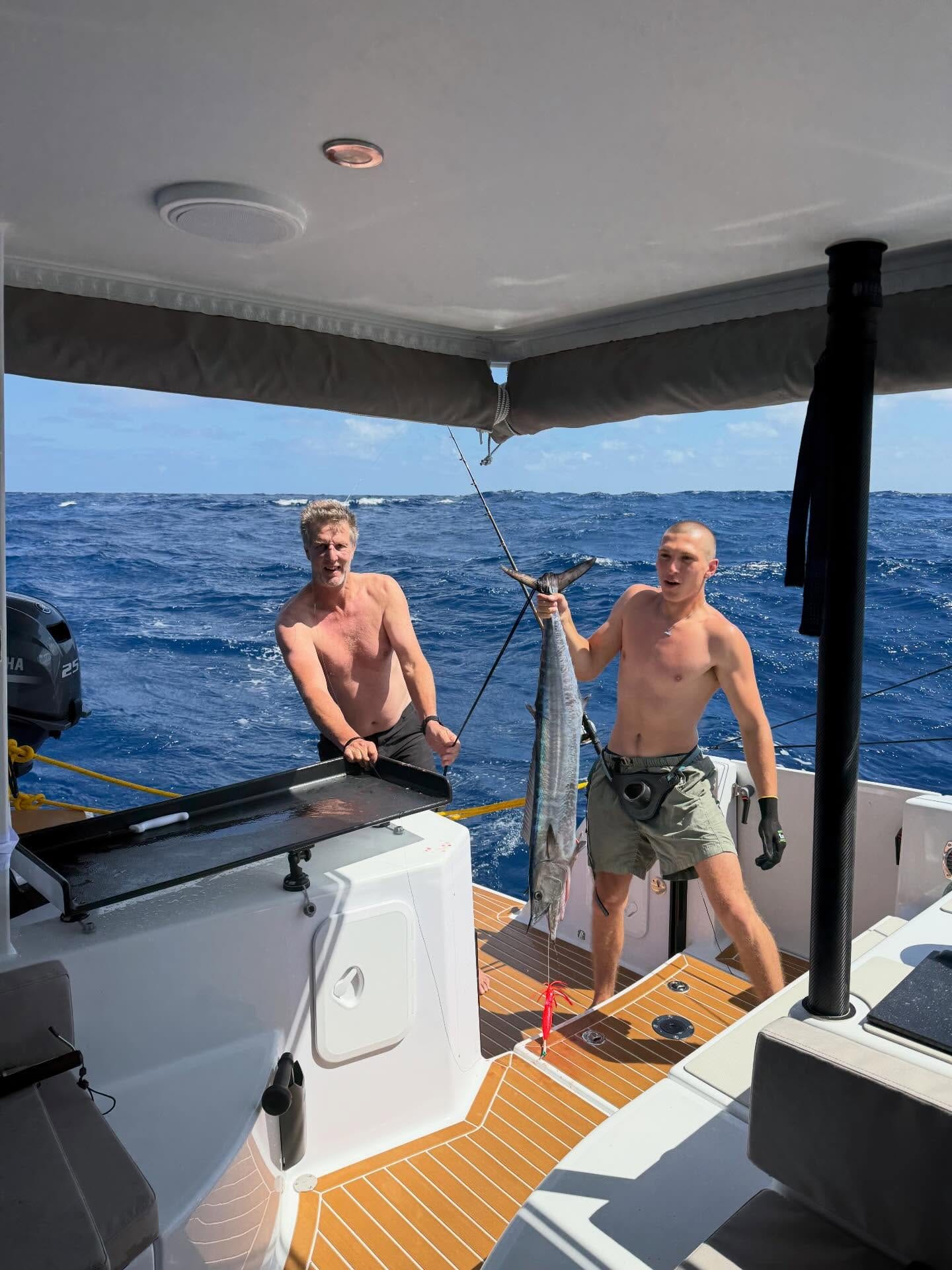
Then a 15-kilogram wahoo hit the line.
Julian and Renier took the rod while Fred and I dropped the sails and brought the boat to a stop. Forty-five minutes later, the fish was on deck and everyone was grinning. One fish meant four dinners, a personal record for our youngest crewmember, and a very respectable fish photo.
We were also thankful for hot showers. Fish smell gets old quickly in shared quarters.
Two days in Fernando de Noronha
We dropped anchor around 6:30 and celebrated the end of the middle leg with steak, sausage, and pasta. Then everyone crashed. It was our first proper night of sleep in weeks.
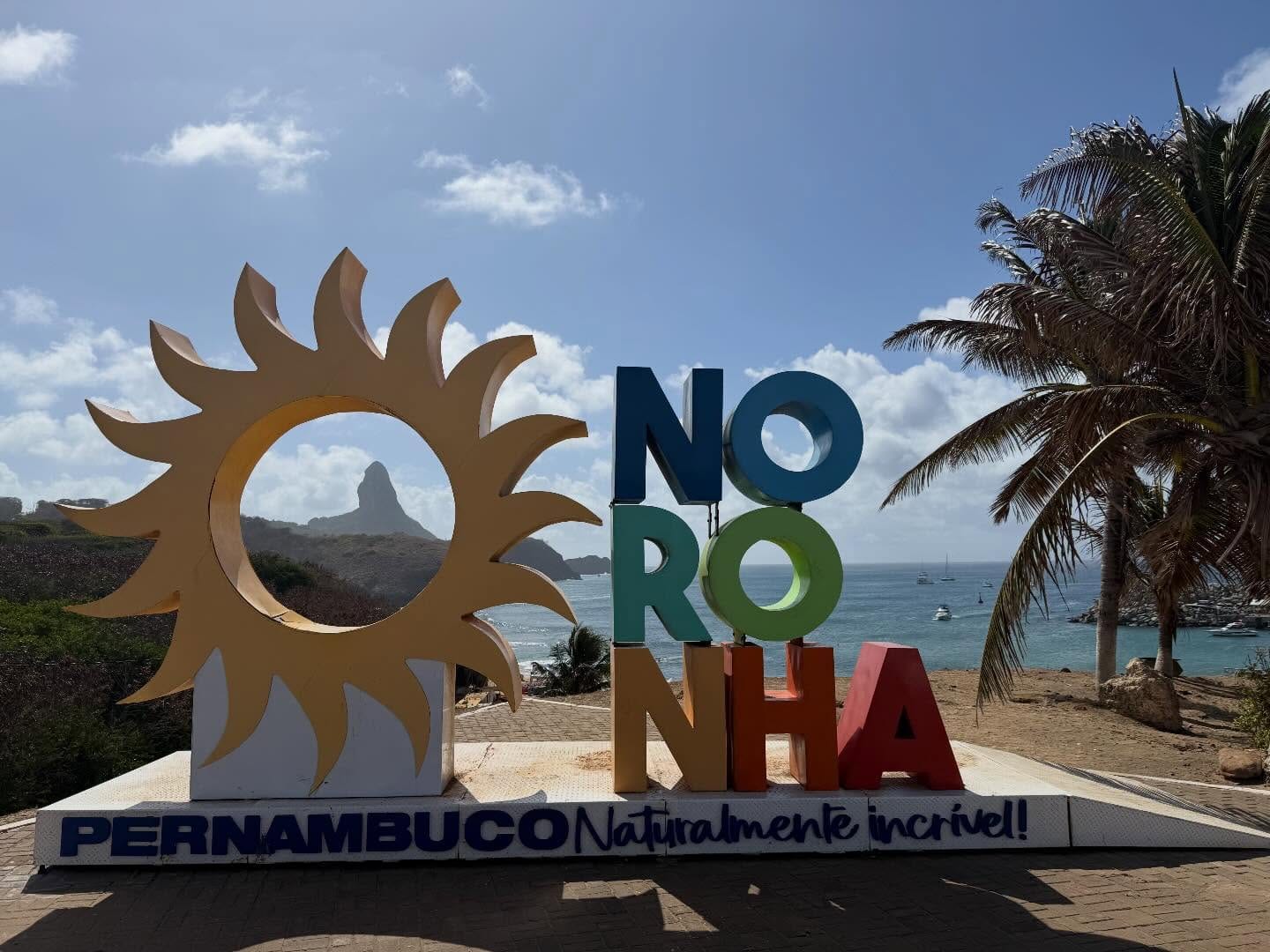
The next morning we went ashore to clear customs. Fred’s fluent Portuguese made the two-hour process considerably easier. Then we walked into town, rented a dune buggy, and set about exploring.
There were beaches, a small bar for lunch, and grocery stops for whatever fresh fruit and vegetables we could find. Dinner at My Back Yard brought excellent picanha and conversation with a couple who had sailed from England via Cape Verde and were bound for Patagonia in a 40-foot monohull. It’s pretty great meeting people who are out doing their version of the same thing.
The next morning started with coffee and pancakes before we headed to Praia de Conceição. We spent the day bodysurfing and sitting under an umbrella on one of the best beaches any of us had visited. After weeks aboard, everyone needed the chance to move around.
We said goodbye to our South African crewmember, restocked, cleared out, and pointed the bow west. Antigua was another 2,500 miles away.
Christmas offshore, New Year’s at the helm
Christmas found me offshore north of Brazil. Back home, Kelly was celebrating with twenty people, six dogs, a lot of food, and plenty of games. Thanks to Starlink, we could FaceTime across that distance.
By the first sunrise of 2026, we had made it to St Thomas. After 35 days and roughly 6,000 miles, this was where I would get off. Fred and Julian said goodbye to me and continued on to Fort Lauderdale.
The crossing was a great way to build offshore experience before doing this exact journey again aboard Neverland. I got to see the places we’ll be stopping and learn how things like customs clearance work in practice. St Helena, in particular, had provided a few lessons. Having been through it once should make the next time a little less of a mystery.
It was also great getting to know Fred, Julian, and Renier. You spend a lot of time together on a trip like this, and I was glad to have shared it with them. I loved the offshore routine: standing watch, adjusting sails, making meals, and watching the miles go by. There was always something to do, but I liked the pace of it.
By St Thomas, I was both ready and not ready to get off the boat. I wanted to see Kelly and the dogs, but I could happily have kept sailing.
Back home, Olive and Lemon mobbed me. Kelly was also glad to see me, though she was a little more restrained about it.
Now I get to look forward to doing it again.